Are Bitcoin ATMs Safe? A Comprehensive Guide to Security and Usage
Discover the safety features of Bitcoin ATMs and how they compare to other methods of buying Bitcoin. Learn to use them securely.
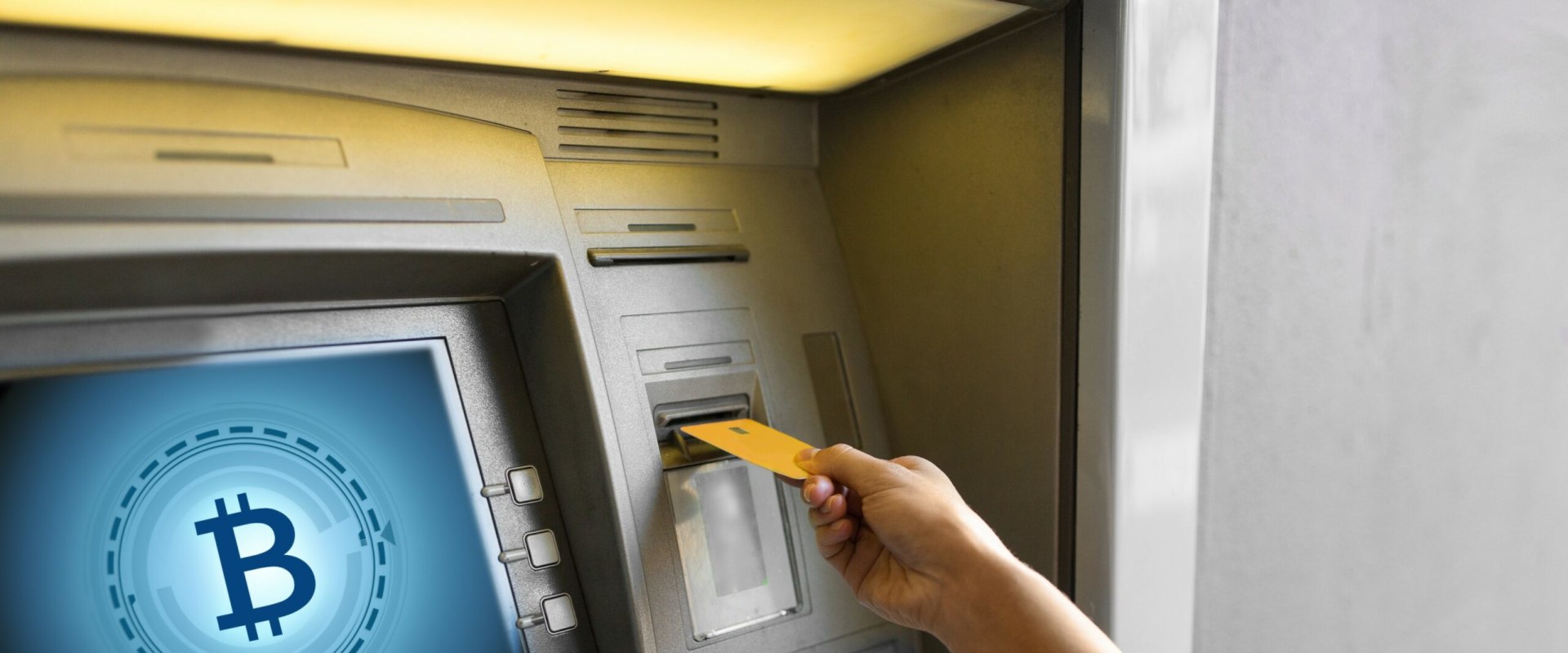
Bitcoin ATMs are specialized machines that allow users to buy and sell Bitcoin and other cryptocurrencies using cash or debit cards. Unlike traditional ATMs that dispense cash from a bank account, Bitcoin ATMs facilitate transactions directly with the cryptocurrency network, enabling users to convert their fiat currency into digital assets seamlessly. These machines have gained popularity as they provide a user-friendly interface for both seasoned investors and newcomers looking to enter the world of cryptocurrency, especially those interested in finding the best bitcoin casino. Understanding how Bitcoin ATMs work is essential for anyone considering using them. When a user approaches a Bitcoin ATM, they typically start by selecting whether they want to purchase or sell Bitcoin. Bitcoin ATMs are specialized machines that allow users to buy and sell Bitcoin and other cryptocurrencies using cash or debit cards. Unlike traditional ATMs that dispense cash from a bank account, Bitcoin ATMs facilitate transactions directly with the cryptocurrency network, enabling users to convert their fiat currency into digital assets seamlessly. These machines have gained popularity as they provide a user-friendly interface for both seasoned investors and newcomers looking to enter the world of cryptocurrency, especially those interested in finding the best bitcoin casino. Understanding how Bitcoin ATMs work is essential for anyone considering using them. When a user approaches a Bitcoin ATM, they typically start by selecting whether they want to purchase or sell Bitcoin.
For purchases, the user is prompted to enter their wallet address, which can be done by scanning a QR code from their mobile wallet app. After entering the amount of Bitcoin they wish to buy, the machine will display the current exchange rate and any applicable fees. Once the user inserts cash or swipes their debit card, the transaction is processed, and the purchased Bitcoin is sent directly to their wallet. On the selling side, users can convert their Bitcoin back into cash. They will need to select the option to sell, enter their wallet address, and specify how much Bitcoin they want to exchange.
After confirming the transaction, the ATM will dispense cash equivalent to the value of the Bitcoin sold. This straightforward process makes Bitcoin ATMs an attractive option for those who prefer not to navigate online exchanges. In summary, Bitcoin ATMs serve as a bridge between traditional fiat currencies and digital currencies like Bitcoin. They offer a convenient way for individuals to engage with cryptocurrencies without needing extensive technical knowledge. As we delve deeper into this guide, we will explore the safety features of these machines and how they compare to other methods of buying and selling cryptocurrencies.
The Safety Features of Bitcoin ATMs
When considering the safety of Bitcoin ATMs, it is essential to understand the various security features that these machines employ to protect users and their transactions.Here are some of the key safety measures that make Bitcoin ATMs a secure option for buying and selling cryptocurrencies.
- Encryption: One of the primary safety features of Bitcoin ATMs is the use of encryption technology. This ensures that all data transmitted between the ATM and the user's digital wallet is securely encoded, making it nearly impossible for unauthorized parties to intercept or access sensitive information. Encryption protects your personal details, transaction history, and wallet credentials from potential hackers.
-
Two-Factor Authentication (2FA): Many Bitcoin ATMs require users to enable two-factor authentication as an additional layer of security. This means that, in addition to entering a password, users must also provide a second form of verification, such as a code sent to their mobile device.
This significantly reduces the risk of unauthorized access to your account, as even if someone obtains your password, they would still need the second factor to complete a transaction.
- Identity Verification: To comply with regulatory requirements and enhance security, most Bitcoin ATMs require users to verify their identity before completing a transaction. This process often involves scanning a government-issued ID or providing a phone number for verification. By ensuring that only verified individuals can use the ATM, operators can help prevent fraudulent activities and scams.
-
Real-Time Monitoring: Bitcoin ATM operators typically implement real-time monitoring systems to track transactions and detect any suspicious activity. This allows them to respond quickly to potential threats or irregularities, further enhancing user safety.
If any unusual behavior is detected, operators can temporarily disable the ATM or alert law enforcement if necessary.
- User Control: Unlike traditional exchanges where users may have to deposit funds into an account, Bitcoin ATMs allow users to maintain control over their coins. When you purchase Bitcoin through an ATM, the coins are sent directly to your digital wallet without being held by the operator. This means you retain full ownership and control over your assets, reducing the risk associated with third-party custody.
Understanding these features can help users feel more confident in their transactions and make informed decisions about using Bitcoin ATMs.
Comparing Bitcoin ATMs to Other Methods of Buying Bitcoin
When it comes to purchasing Bitcoin, there are several methods available, each with its own set of advantages and disadvantages. Understanding these differences can help you make an informed decision about which method best suits your needs.Bitcoin ATMs vs. Online Exchanges
-
Convenience: Bitcoin ATMs offer a level of convenience that online exchanges may not provide. With ATMs, you can buy Bitcoin instantly without the need for a bank account or lengthy verification processes.
This is particularly beneficial for those who prefer anonymity or do not have access to traditional banking services.
- Fees: One of the significant drawbacks of using Bitcoin ATMs is the higher transaction fees compared to online exchanges. While exchanges typically charge lower fees, they may require you to deposit funds into your account before making a purchase, which can take time.
- Security: Bitcoin ATMs are generally considered secure due to their physical presence and the use of two-factor authentication. However, online exchanges can also offer robust security measures, including cold storage for funds and insurance against hacks. It’s essential to choose reputable exchanges with strong security protocols.
-
Transaction Speed: Transactions at Bitcoin ATMs are usually completed within minutes, allowing for immediate access to your purchased Bitcoin.
In contrast, online exchanges may take longer due to processing times and potential delays in fund transfers.
Bitcoin ATMs vs. Peer-to-Peer Platforms
- Anonymity: Peer-to-peer platforms often allow users to buy Bitcoin directly from other individuals, which can provide a higher level of anonymity compared to both ATMs and exchanges. However, this method carries risks such as scams or fraud if proper precautions are not taken.
- Flexibility: Peer-to-peer platforms can offer more flexible payment options, including cash transactions or various payment methods. This flexibility can be advantageous for users looking for alternatives to traditional banking methods.
-
Trust and Reputation: When using peer-to-peer platforms, it’s crucial to assess the reputation of the seller.
Unlike Bitcoin ATMs, where transactions are conducted through a regulated machine, peer-to-peer transactions rely heavily on trust between parties.
Common Risks Associated with Bitcoin ATMs
While Bitcoin ATMs offer a convenient way to buy and sell cryptocurrencies, they are not without their risks. Understanding these potential dangers is crucial for anyone looking to use these machines safely.Scams Targeting Bitcoin ATM Users
One of the most significant risks associated with Bitcoin ATMs is the prevalence of scams. Scammers often exploit the anonymity and speed of transactions to defraud unsuspecting users.Here are some common types of scams:
- Phishing Scams: Scammers may send fake emails or messages that appear to be from legitimate services, tricking users into providing their private keys or personal information.
- Fake ATMs: Some criminals set up counterfeit Bitcoin ATMs that look legitimate but are designed to steal funds. Always verify the legitimacy of the ATM before using it.
- Investment Scams: Fraudsters may promise high returns on investments made through Bitcoin ATMs, luring victims into depositing money that they will never see again.
Potential Dangers of Using Bitcoin ATMs
In addition to scams, there are other risks that users should be aware of when using Bitcoin ATMs:- High Fees: Many Bitcoin ATMs charge significantly higher fees compared to online exchanges. Users may find themselves paying a premium for the convenience of using an ATM.
- Lack of Regulation: The cryptocurrency space is still largely unregulated, which means that users have limited recourse if something goes wrong during a transaction.
- Privacy Concerns: While many Bitcoin ATMs do not store personal information, some require identity verification, which can lead to privacy issues. Users should be cautious about sharing sensitive information.
Look for machines operated by reputable companies and always double-check the transaction details before confirming any purchase or sale. By staying informed and vigilant, users can enjoy the benefits of Bitcoin ATMs while minimizing their exposure to potential threats.
How to Use a Bitcoin ATM Safely
Using a Bitcoin ATM can be a straightforward process, but ensuring your safety while doing so is paramount. Here are some practical tips to help you navigate Bitcoin ATMs securely:-
Choose a Reputable Location: Before using a Bitcoin ATM, research the location. Opt for ATMs situated in well-lit, busy areas, such as shopping centers or banks.
Avoid using ATMs in isolated or poorly monitored locations.
- Verify the ATM's Legitimacy: Check if the Bitcoin ATM is operated by a reputable company. You can often find this information on the machine itself or through online resources that track Bitcoin ATM locations and operators.
- Use Two-Factor Authentication: If the ATM requires you to create an account or link your wallet, ensure that it supports two-factor authentication (2FA). This adds an extra layer of security by requiring a second form of verification, such as a text message code.
- Keep Your Information Private: When using a Bitcoin ATM, avoid sharing personal information unnecessarily. Only provide the required details for the transaction and refrain from discussing your transaction with strangers nearby.
-
Be Aware of Your Surroundings: Always be vigilant when using an ATM.
Look out for any suspicious individuals nearby and trust your instincts. If something feels off, consider postponing your transaction.
- Use Secure Wallets: Ensure that you are using a secure digital wallet to store your Bitcoin. Hardware wallets or reputable software wallets with strong encryption are recommended for added security.
- Limit Transaction Amounts: To minimize risk, consider limiting the amount of Bitcoin you purchase in a single transaction. This way, if something goes wrong, your potential loss is reduced.
-
Check Fees Before Proceeding: Bitcoin ATMs often charge higher fees compared to online exchanges.
Make sure to review the fee structure before completing your transaction to avoid unexpected costs.
Legal Considerations and Regulations Surrounding Bitcoin ATMs
As the popularity of Bitcoin ATMs continues to rise, understanding the legal considerations and regulations surrounding these machines becomes increasingly important for both operators and users. The regulatory landscape for Bitcoin ATMs varies significantly from one jurisdiction to another, and compliance with local laws is essential for the safe operation of these machines. In the United States, Bitcoin ATMs are generally classified as money services businesses (MSBs). This classification means that operators must adhere to specific federal and state regulations.The Financial Crimes Enforcement Network (FinCEN) requires MSBs to register and comply with anti-money laundering (AML) regulations. This includes implementing know-your-customer (KYC) procedures, which often necessitate the collection of personal information from users, such as identification and contact details. Moreover, individual states may impose additional requirements on Bitcoin ATM operators. For instance, some states mandate that operators obtain a money transmitter license, which can involve a rigorous application process and ongoing compliance obligations. Failure to comply with these regulations can result in hefty fines or even criminal charges. Users should also be aware of their rights when using Bitcoin ATMs.
While these machines offer convenience and anonymity, they are not without risks. Users should ensure that they are using ATMs operated by reputable companies that comply with local laws. Additionally, it is advisable to read the terms of service provided at the ATM, as this will outline any fees associated with transactions and the operator's policies regarding refunds or disputes. Another critical aspect of legal considerations is the potential for fraud. As with any financial transaction, users must be vigilant against scams.
Operators are encouraged to implement security measures such as transaction limits and real-time monitoring to detect suspicious activities. Users should also be cautious about sharing their personal information and should report any suspicious behavior to authorities. In summary, while Bitcoin ATMs provide a convenient way to buy and sell cryptocurrencies, understanding the legal framework surrounding them is crucial. Both operators and users must navigate a complex landscape of regulations to ensure compliance and protect their interests.
Frequently Asked Questions about Bitcoin ATMs
As Bitcoin ATMs gain popularity, many users have questions about their safety and functionality. Below are some of the most frequently asked questions regarding Bitcoin ATMs, along with clear and concise answers to help you navigate this growing technology.1.Are Bitcoin ATMs safe to use?
Yes, Bitcoin ATMs are generally considered safe for transactions.They utilize advanced security measures such as encryption, two-factor authentication, and identity verification to protect users. However, it is essential to ensure that you are using a reputable ATM operator and to follow best practices for securing your digital wallet.
2.How do I find a Bitcoin ATM near me?
You can easily locate a Bitcoin ATM by using online maps or dedicated websites that list ATM locations. Simply enter your address or zip code, and you will receive a list of nearby ATMs along with their operational status.3.What identification do I need to use a Bitcoin ATM?
Most Bitcoin ATMs require some form of identification for transactions, especially for larger amounts. This could include a government-issued ID or a driver's license.The specific requirements may vary depending on the operator and local regulations.
4.What fees can I expect when using a Bitcoin ATM?
Bitcoin ATMs typically charge higher fees compared to online exchanges. Fees can range from 5% to 15% of the transaction amount, depending on the operator and location. It’s advisable to check the fee structure before completing your transaction.5.Can I withdraw cash from a Bitcoin ATM?
Yes, many Bitcoin ATMs allow users to withdraw cash after selling their Bitcoin. However, not all machines support this feature, so it’s important to verify whether the specific ATM you are using offers cash withdrawal options.6.What should I do if I encounter issues with a Bitcoin ATM?
If you experience problems while using a Bitcoin ATM, such as transaction failures or machine malfunctions, contact the operator's customer service immediately.Most operators provide contact information on the machine itself or through their website. By addressing these common questions, we hope to enhance your understanding of Bitcoin ATMs and boost your confidence in using them safely and effectively.
Conclusion: Is Using a Bitcoin ATM Right for You?
As we conclude our exploration of Bitcoin ATMs, it's essential to reflect on the key points discussed and consider whether utilizing these machines aligns with your personal needs and risk tolerance. Bitcoin ATMs offer a unique blend of convenience and security, making them an attractive option for many users. They allow for instant transactions, which can be particularly beneficial in a market as volatile as cryptocurrency. The ability to buy or sell Bitcoin quickly can help you avoid unfavorable price changes that might occur during the waiting period associated with traditional exchanges. Moreover, the security features inherent in Bitcoin ATMs, such as two-factor authentication and identity verification, add layers of protection that are often not present in other purchasing methods. Your digital wallet remains under your control, ensuring that you maintain ownership of your assets without the risk of third-party custody. However, it is crucial to weigh these benefits against some potential drawbacks.One significant consideration is the higher transaction fees associated with Bitcoin ATMs compared to online exchanges. These fees can vary widely depending on the machine's operator and location, so it's wise to research and compare costs before proceeding with a transaction. Additionally, while Bitcoin ATMs are generally safe, they are not entirely immune to scams or fraudulent activities. Users should remain vigilant and ensure they are using reputable machines in secure locations. Always verify the legitimacy of the ATM and be cautious of any unsolicited advice or offers related to cryptocurrency transactions. In summary, if you value convenience and immediate access to Bitcoin while prioritizing security measures, a Bitcoin ATM may be a suitable choice for you.
However, if you are more cost-sensitive or prefer a more comprehensive trading experience with lower fees, exploring traditional exchanges might be more advantageous. Ultimately, the decision to use a Bitcoin ATM should be based on your individual circumstances, including your level of experience with cryptocurrencies, your comfort with technology, and your financial goals. By carefully considering these factors, you can make an informed choice that aligns with your needs.
Top Articles