Is Bitcoin Mining Profitable at Home? A Comprehensive Guide
Explore the profitability of home Bitcoin mining, including costs, equipment, and strategies to maximize returns in this comprehensive guide.


Bitcoin mining is a fundamental process that underpins the entire Bitcoin network, serving as both a method for transaction verification and a means of introducing new bitcoins into circulation. At its core, Bitcoin mining involves solving complex mathematical problems that validate transactions on the blockchain, a decentralized ledger that records all Bitcoin transactions. This process not only secures the network but also ensures that all transactions are transparent and immutable, fostering trust among users. To understand how Bitcoin mining works, it’s essential to grasp the concept of the blockchain. Each block in the blockchain contains a list of transactions, and miners compete to solve a cryptographic puzzle associated with each block.
The first miner to solve this puzzle gets to add the block to the blockchain and is rewarded with newly minted bitcoins, currently set at 6.25 bitcoins per block, along with transaction fees from the transactions included in that block. This reward system incentivizes miners to contribute their computational power to the network, ensuring its ongoing security and functionality. However, Bitcoin mining is not just about solving puzzles; it also requires significant investment in specialized hardware known as ASICs (Application-Specific Integrated Circuits), which are designed specifically for mining purposes. The increasing difficulty of mining—adjusted approximately every two weeks to maintain a consistent rate of block creation—means that miners must continually upgrade their equipment to remain competitive. This dynamic creates a challenging environment for home miners who may lack the resources and infrastructure of large-scale mining operations. As we delve deeper into the profitability of mining at home, it’s crucial to consider not only the technical aspects but also the economic implications.
Factors such as electricity costs, hardware efficiency, and market conditions play pivotal roles in determining whether home mining can be a viable venture. Understanding these elements will help potential miners make informed decisions about their participation in this exciting yet complex aspect of the cryptocurrency ecosystem.
The Economics of Bitcoin Mining
Understanding the financial landscape of Bitcoin mining is essential for anyone considering entering this space, especially from home. The profitability of mining Bitcoin hinges on several factors, including initial investments, ongoing operational costs, and the potential returns on investment.Initial Investments
- Mining Hardware: The first significant expense is the purchase of mining hardware. ASIC (Application-Specific Integrated Circuit) miners are the most efficient for Bitcoin mining.
Prices for these machines can range from a few hundred to several thousand dollars, depending on their hashing power and efficiency.
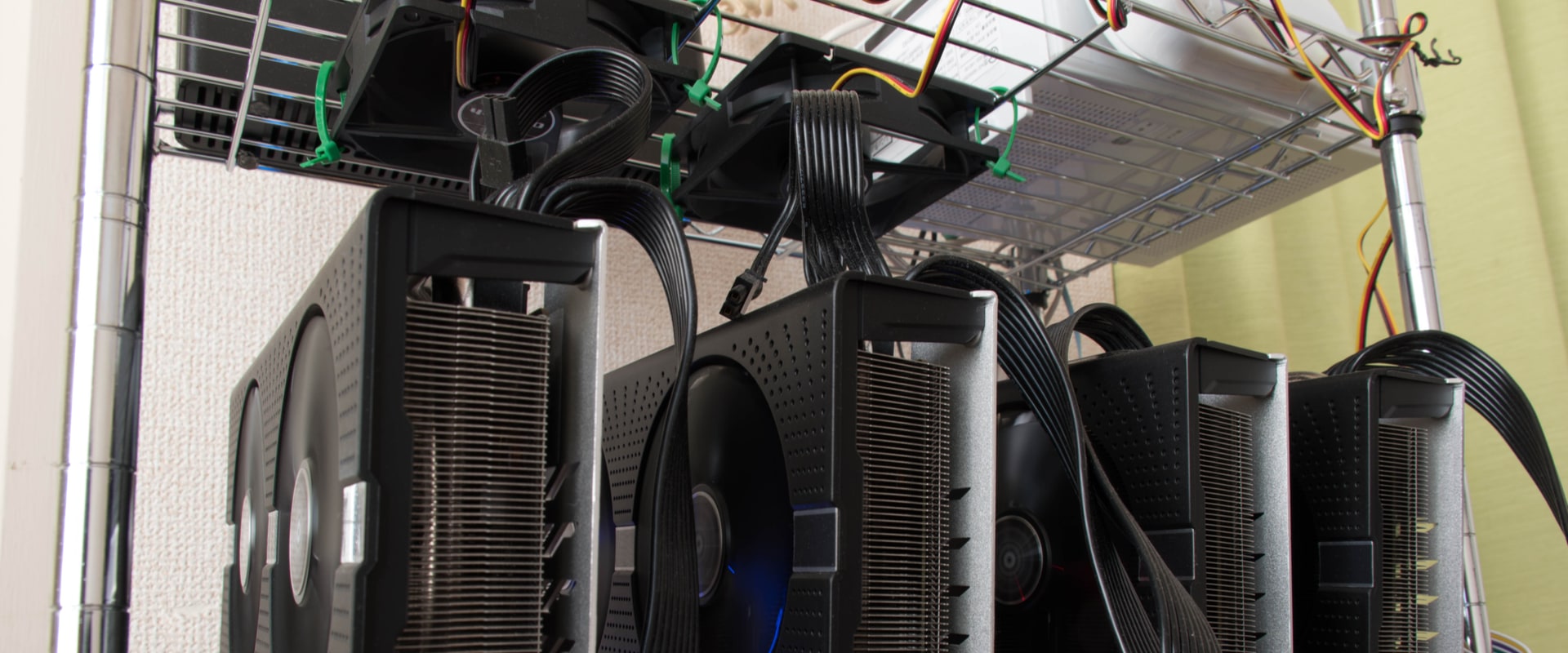
- Cooling Systems: Mining generates substantial heat, necessitating effective cooling solutions. This could involve additional fans or even air conditioning units, which can add to your initial setup costs.
- Electrical Setup: Depending on your existing electrical infrastructure, you may need to upgrade your electrical system to handle the power demands of your mining rig.
Ongoing Costs
- Electricity: One of the most significant ongoing expenses in Bitcoin mining is electricity. Mining rigs consume a considerable amount of power, and electricity costs can vary widely based on location. It’s crucial to calculate your local electricity rates to determine if mining is feasible.
- Maintenance: Regular maintenance of your mining equipment is necessary to ensure optimal performance.
This includes cleaning dust from components and monitoring hardware for any signs of failure.
- Internet Connection: A stable and fast internet connection is vital for successful mining operations. Any downtime can result in lost opportunities to mine Bitcoin.
Potential Returns
The potential returns from Bitcoin mining can be enticing but are not guaranteed. The profitability largely depends on the current price of Bitcoin, which can be highly volatile. Additionally, as more miners join the network, the difficulty level increases, making it harder to earn rewards.
Using a Bitcoin mining calculator can help you estimate potential earnings based on your specific setup and local conditions. In conclusion, while Bitcoin mining at home can be an exciting venture, it requires careful consideration of both initial and ongoing costs against potential returns. Understanding these economic implications is crucial before making any investments in this rapidly evolving field.
Equipment Needed for Home Bitcoin Mining
When considering home Bitcoin mining, the first step is to understand the essential equipment required to effectively mine Bitcoin. The right hardware can significantly impact your mining efficiency and profitability. Below, we explore the various types of mining equipment available, their advantages, and how they compare in terms of performance.Types of Bitcoin Mining Hardware
- ASIC Miners: Application-Specific Integrated Circuits (ASICs) are the most efficient hardware for Bitcoin mining.
These devices are designed specifically for the purpose of mining cryptocurrencies, making them far superior to general-purpose hardware. Popular models include the Antminer S19 Pro and the Whatsminer M30S, which can deliver hash rates exceeding 100 TH/s (terahashes per second).
- GPU Miners: Graphics Processing Units (GPUs) were once the go-to option for Bitcoin mining. However, due to increasing difficulty levels and competition from ASIC miners, they are now less effective for Bitcoin specifically. GPUs are still useful for mining other cryptocurrencies that are less resource-intensive.
- FPGA Miners: Field-Programmable Gate Arrays (FPGAs) offer a middle ground between ASICs and GPUs.
They can be programmed for specific tasks, including Bitcoin mining, but they require more technical knowledge to set up and optimize.
Best Bitcoin Miners for Home Use
For those looking to invest in home mining equipment, it’s crucial to choose models that balance cost, efficiency, and power consumption. Here are some of the best options:- Antminer S19 Pro: Known for its high hash rate and energy efficiency, this ASIC miner is a favorite among serious miners. It operates at around 3250W and can yield significant returns if electricity costs are managed well.
- Whatsminer M30S: Another top contender, the M30S offers competitive hash rates and is known for its reliability. It consumes about 3400W, making it a solid choice for home setups.
- Bitmain Antminer T19: A more budget-friendly option, the T19 provides decent performance with a hash rate of around 84 TH/s while consuming approximately 3150W.
Proper ventilation or dedicated cooling systems can help maintain your equipment's longevity. Ultimately, understanding your options in Bitcoin mining hardware is essential for making informed decisions that align with your financial goals and technical capabilities. Investing in the right equipment can make a significant difference in your home mining experience.
Calculating Profitability: Tools and Techniques
When considering the profitability of Bitcoin mining, utilizing a Bitcoin mining calculator is essential. These calculators provide a straightforward way to estimate potential earnings based on various factors. To effectively use these tools, you need to input specific data related to your mining setup.Key Factors to Consider:
- Hash Rate: This is the speed at which your mining hardware can solve cryptographic puzzles.
Higher hash rates generally lead to better chances of earning Bitcoin.
- Electricity Costs: Mining consumes a significant amount of power. Knowing your local electricity rates is crucial, as high costs can quickly erode profits.
- Mining Difficulty: This value adjusts approximately every two weeks based on the total network hash rate. A higher difficulty means it takes more computational power to mine Bitcoin.
- Pool Fees: If you join a mining pool, be aware of any fees associated with participation, as these will impact your overall earnings.
- Bitcoin Price: The current market price of Bitcoin can fluctuate significantly, affecting your potential profits.
- Gather Your Data: Collect information on your hardware's hash rate, electricity costs, and any applicable fees.
- Input Data into the Calculator: Use an online Bitcoin mining calculator and enter the gathered data. Most calculators will require you to input your hash rate, electricity cost per kWh, and pool fees if applicable.
- Analyze the Results: The calculator will provide an estimate of daily, weekly, and monthly profits.
Pay attention to the break-even point—this is when your earnings will cover your initial investment and ongoing costs.
Final Thoughts:
The landscape of Bitcoin mining is constantly evolving. By leveraging the right tools and techniques for profitability analysis, you can better assess whether home mining is a viable option for you. Remember that while calculators provide valuable estimates, actual profitability can vary based on market conditions and operational efficiency.
Challenges of Home Bitcoin Mining
Home Bitcoin mining presents a unique set of challenges that can significantly impact profitability and sustainability.Understanding these challenges is crucial for anyone considering entering the world of cryptocurrency mining.
1.Intense Competition from Large Mining Farms
One of the most daunting challenges for home miners is the fierce competition posed by large-scale mining operations. These professional mining farms benefit from economies of scale, allowing them to operate at lower costs per Bitcoin mined. They often have access to cheaper electricity rates, advanced hardware, and optimized cooling systems, which can make it nearly impossible for individual miners to compete effectively.
2.High Initial Investment
Setting up a home mining operation requires a significant upfront investment in specialized hardware, such as ASIC miners, which are designed specifically for Bitcoin mining. Additionally, miners must consider the costs associated with cooling systems and adequate electrical infrastructure to support high energy consumption.
This initial financial burden can be a barrier for many potential miners.
3.Technical Challenges
Home miners often face various technical issues that can hinder their operations. These may include:
- Hardware Failures: Mining equipment can fail due to overheating or manufacturing defects, leading to costly repairs or replacements.
- Software Configuration: Setting up mining software can be complex and may require technical knowledge that many home miners lack.
- Network Connectivity: A stable internet connection is essential for successful mining; any interruptions can result in lost opportunities to mine Bitcoin.
4.Volatile Market Conditions
The cryptocurrency market is notoriously volatile, with Bitcoin prices fluctuating dramatically over short periods. This volatility can affect the profitability of mining operations, as the cost of electricity and hardware may not always align with the current market value of Bitcoin.
5.Regulatory Risks
As governments around the world continue to develop regulations surrounding cryptocurrency, home miners may face legal uncertainties. Changes in legislation could impact the viability of home mining operations, leading to potential shutdowns or increased compliance costs. In conclusion, while home Bitcoin mining offers an exciting opportunity to participate in the cryptocurrency ecosystem, it is essential to recognize and prepare for these challenges.
By understanding the competitive landscape, investing wisely, and staying informed about market trends and regulations, aspiring miners can set realistic expectations and navigate the complexities of home mining more effectively.
The Role of Electricity Costs in Mining Profitability
When considering the profitability of Bitcoin mining, one of the most critical factors to evaluate is the cost of electricity. Mining operations require substantial energy to power the specialized hardware that performs complex calculations necessary for validating transactions on the Bitcoin network. As a result, electricity costs can significantly impact a miner's overall profitability. In many regions, electricity prices can vary widely, making it essential for prospective miners to conduct thorough research on local energy rates. For instance, areas with lower electricity costs can provide a competitive advantage, allowing miners to maximize their returns.Conversely, high energy prices can quickly erode any potential profits, making it challenging to sustain a home mining operation.
Understanding Energy Consumption
Bitcoin miners utilize powerful hardware known as ASICs (Application-Specific Integrated Circuits), which are designed specifically for mining cryptocurrencies. These devices consume a significant amount of power, often ranging from 1,200 watts to over 3,000 watts per unit. The total energy consumption of a mining setup will depend on the number of machines in operation and their efficiency ratings. To illustrate, if a miner operates three ASIC units consuming 2,000 watts each for 24 hours a day, the daily energy consumption would be:- Power consumption per unit: 2,000 watts
- Number of units: 3
- Total daily consumption: 2,000 watts x 3 units x 24 hours = 144 kWh
- Daily cost: 144 kWh x $0.10 = $14.40
Strategies for Reducing Electricity Costs
Fortunately, there are several strategies that miners can employ to reduce their electricity expenses:- Choose Energy-Efficient Hardware: Investing in newer models of ASIC miners that offer better energy efficiency can lead to lower power consumption without sacrificing performance.
- Utilize Renewable Energy Sources: If feasible, consider harnessing renewable energy sources such as solar or wind power. This approach not only reduces electricity costs but also aligns with environmentally friendly practices.
- Optimize Mining Times: Some regions offer lower electricity rates during off-peak hours.
By scheduling mining operations during these times, miners can take advantage of reduced rates.
- Join Mining Pools: Participating in mining pools allows miners to share resources and reduce individual costs associated with hardware and electricity.
Environmental Impact of Bitcoin Mining
The environmental impact of Bitcoin mining has become a significant topic of discussion as the cryptocurrency continues to gain popularity. The process of mining Bitcoin requires substantial computational power, which in turn demands a considerable amount of energy. This energy consumption raises concerns about the carbon footprint associated with Bitcoin mining operations, particularly when fossil fuels are the primary source of electricity. One of the main environmental concerns surrounding Bitcoin mining is its reliance on non-renewable energy sources. In regions where coal or natural gas is the dominant energy source, the carbon emissions from mining activities can be substantial.According to various studies, Bitcoin mining can consume more electricity than some small countries, leading to increased greenhouse gas emissions and contributing to climate change. However, there is a growing movement within the cryptocurrency community advocating for sustainability in Bitcoin mining. Many miners are now seeking out renewable energy sources such as solar, wind, and hydroelectric power to reduce their environmental impact. By utilizing these cleaner energy options, miners can significantly decrease their carbon footprint while still participating in the Bitcoin network. In addition to transitioning to renewable energy, several eco-friendly mining practices are emerging. For instance:
- Energy Efficiency: Miners are investing in more efficient hardware that consumes less power while delivering higher hash rates.
This not only reduces energy consumption but also lowers operational costs.
- Heat Recovery: Some miners are exploring ways to capture and utilize the excess heat generated by mining rigs. This heat can be repurposed for heating buildings or even for agricultural applications, thus minimizing waste.
- Location Optimization: Choosing locations with abundant renewable energy resources can help miners operate sustainably. Areas with surplus hydropower or geothermal energy are becoming increasingly attractive for new mining operations.
Ultimately, balancing profitability with environmental responsibility will be crucial for the future of Bitcoin mining.
Future Trends in Bitcoin Mining Profitability
As the cryptocurrency landscape continues to evolve, the future of Bitcoin mining is poised for significant changes that could impact profitability for home miners. Understanding these trends is crucial for anyone considering entering or continuing in the Bitcoin mining space. One of the most critical factors influencing Bitcoin mining profitability is the halving event , which occurs approximately every four years. During a halving, the reward for mining new blocks is cut in half, effectively reducing the number of new Bitcoins generated. This event not only affects miners' earnings but also has broader implications for Bitcoin's market value.Historically, halvings have led to increased prices due to reduced supply, but they also mean that miners must adapt to lower rewards. In addition to halving events, advancements in mining technology are set to play a pivotal role in shaping the future of Bitcoin mining. The introduction of more efficient hardware, such as ASIC miners with improved energy consumption rates, can significantly enhance profitability. Home miners who invest in cutting-edge technology may find themselves better positioned to compete against large-scale mining operations. Moreover, the growing emphasis on sustainability and renewable energy sources is likely to influence mining practices. As environmental concerns rise, miners are increasingly seeking ways to reduce their carbon footprint.
Utilizing solar or wind energy can not only lower operational costs but also align with global efforts toward sustainability. This shift could create a competitive advantage for home miners who can harness renewable energy effectively. Another trend to watch is the increasing integration of artificial intelligence and machine learning in mining operations. These technologies can optimize mining processes by predicting market trends and adjusting strategies accordingly. Home miners who leverage AI tools may gain insights that enhance their decision-making and improve profitability. Finally, regulatory changes will undoubtedly impact the future of Bitcoin mining.
As governments around the world grapple with how to regulate cryptocurrencies, new laws could either facilitate or hinder home mining operations. Staying informed about these developments will be essential for miners looking to navigate this complex landscape. In conclusion, while the future of Bitcoin mining presents both challenges and opportunities, staying ahead of trends such as halving events, technological advancements, sustainability efforts, AI integration, and regulatory changes will be key for home miners aiming to maintain or increase their profitability.
FAQs About Home Bitcoin Mining Profitability
As interest in cryptocurrency continues to grow, many individuals are curious about the feasibility of Bitcoin mining from home. Below, we address some of the most frequently asked questions regarding the profitability and practicality of home Bitcoin mining.Is Bitcoin Mining Worth It at Home?
The profitability of Bitcoin mining at home largely depends on several factors, including electricity costs, hardware efficiency, and the current market price of Bitcoin. For many home miners, the initial investment in specialized equipment can be substantial.Additionally, ongoing expenses such as electricity and cooling systems can eat into potential profits. While some enthusiasts find value in participating in the network and supporting decentralization, others may find that the financial returns do not justify the costs involved.
Can You Mine Bitcoin with a PC?
Mining Bitcoin with a standard personal computer (PC) is generally not feasible. The computational power required to successfully mine Bitcoin has increased dramatically over the years, making it nearly impossible for average PCs to compete with dedicated mining rigs. These rigs utilize Application-Specific Integrated Circuits (ASICs), which are specifically designed for mining and offer significantly higher hash rates compared to traditional PCs or even GPUs.Therefore, while technically possible, using a PC for Bitcoin mining is unlikely to yield any meaningful results.
How Long Does It Take to Mine 1 Bitcoin at Home?
The time it takes to mine one Bitcoin at home can vary widely based on your mining setup and the current difficulty level of the network. With a powerful ASIC miner and favorable conditions, it might take several months to a few years to mine a single Bitcoin. However, for most home miners using less efficient equipment, it could take much longer—potentially several years or even decades. Utilizing a Bitcoin mining calculator can help you estimate your potential earnings based on your specific hardware and electricity costs. In conclusion, while home Bitcoin mining can be an exciting venture for some, it is essential to weigh the costs against potential rewards carefully.Understanding these key questions can help you make an informed decision about whether to pursue this path.
Conclusion: Is Home Bitcoin Mining Worth It?
In evaluating the viability of home Bitcoin mining, it is essential to consider several critical factors that influence profitability and sustainability. While the allure of mining Bitcoin from the comfort of your home may seem appealing, the reality is often more complex. First and foremost, the initial investment in mining hardware can be substantial. High-performance ASIC miners, which are necessary for competitive mining, can cost thousands of dollars. Additionally, ongoing expenses such as electricity, cooling systems, and maintenance must be factored into any profitability calculations.The Bitcoin mining calculator can provide a clearer picture by allowing potential miners to input their specific costs and expected returns. Moreover, the competitive landscape of Bitcoin mining has evolved significantly. Large-scale mining operations dominate the market, leveraging economies of scale that individual home miners simply cannot match. These professional setups benefit from lower electricity rates and advanced cooling solutions, making it increasingly difficult for home miners to compete effectively. Another crucial aspect to consider is the fluctuating difficulty level of mining. The Bitcoin network adjusts its difficulty approximately every two weeks to ensure a consistent block production rate.
As more miners join the network, the difficulty increases, which can further diminish the chances of home miners successfully earning rewards. However, there are some potential benefits to home mining that should not be overlooked. For instance, home miners contribute to the decentralization and security of the Bitcoin network, which is a fundamental principle of cryptocurrency. Additionally, some individuals find value in the experience and knowledge gained from setting up and managing their own mining operations. In conclusion, while home Bitcoin mining can offer a unique opportunity for enthusiasts and those passionate about cryptocurrency, it is essential to approach it with realistic expectations. The combination of high initial costs, ongoing expenses, and intense competition makes it challenging to achieve profitability.
For many, joining a mining pool or investing in cryptocurrency directly may prove to be more effective strategies for engaging with Bitcoin.
Top Articles